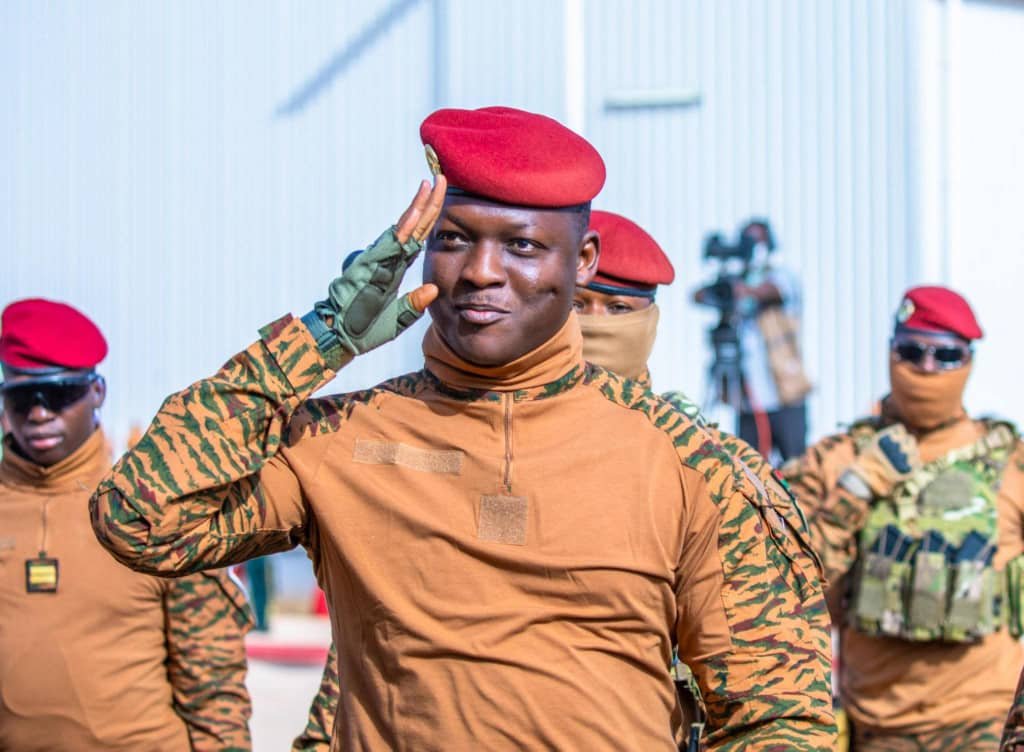
(Photo: File, GSM News )
Gaborone, Botswana, 16 August 2025 – Maatla Ndinabo Komaetsile, Africa Desk, GSM News:
He rose through a coup, not a ballot, but Captain Ibrahim Traoré of Burkina Faso has captured the hearts of millions across Africa. Young, defiant, and unapologetically pan-African, he has expelled foreign forces, challenged neocolonialism, and vowed to restore dignity and sovereignty to his people. In an age where democracy is our professed ideal, Africans are loudly cheering for a man who governs without elections. This contradiction is glaring: we claim to love democracy, yet we fall in love with its fiercest disruptors. What does this say about the kind of leadership Africa truly craves, and can democracy still deliver it?
Across the continent, democracy has become the official creed. Every few years, elections are conducted, constitutions are recited, international observers are deployed, and declarations of legitimacy are made. Yet when the dust settles, the lived realities of ordinary citizens remain unchanged. Poverty deepens, elites rotate power among themselves, and failed promises become the norm. Democracy, in practice, has too often been reduced to a form without function.
And then, figures like Captain Ibrahim Traoré of Burkina Faso emerge. Young, unelected, and fearless, Traoré has become a lightning rod of inspiration across the continent. His message is one of sovereignty, strength, and urgency and it resonates deeply with Africans. But herein lies the paradox, Traoré did not rise to power through elections; he led a coup. He overthrew another transitional leader who had also come to power through a coup, citing national security failures and governmental inertia. And yet, Traoré is being celebrated far and wide by many who, in the same breath, claim to value democracy. The contradiction is stark: many Africans champion democratic ideals, yet are drawn to leaders who operate outside them. This raises a fundamental and uncomfortable question. Is democracy really working for Africa? Or have we simply grown accustomed to its rituals without reaping its rewards?
Democracy, in principle, offers power to the people, enshrines accountability, and protects basic freedoms. However, in Africa, it has often been reduced to a performance. Politicians campaign with promises of transformation but once in power, prioritize self-enrichment and elite interests. Elections are marred by rigging, violence, or manipulation, while institutions meant to serve citizens are captured or corrupted. Nigeria, the continent’s largest democracy, routinely holds high-stakes elections that fail to reflect the true will of the people. In South Africa, the promise of post-apartheid justice remains unfulfilled for millions still trapped in cycles of poverty and inequality. Even Botswana, long hailed as a beacon of stability, has not been immune to democratic fatigue and widening socio-economic disparities. The democratic model Africa inherited has become a checkbox for legitimacy rather than a framework for transformation.
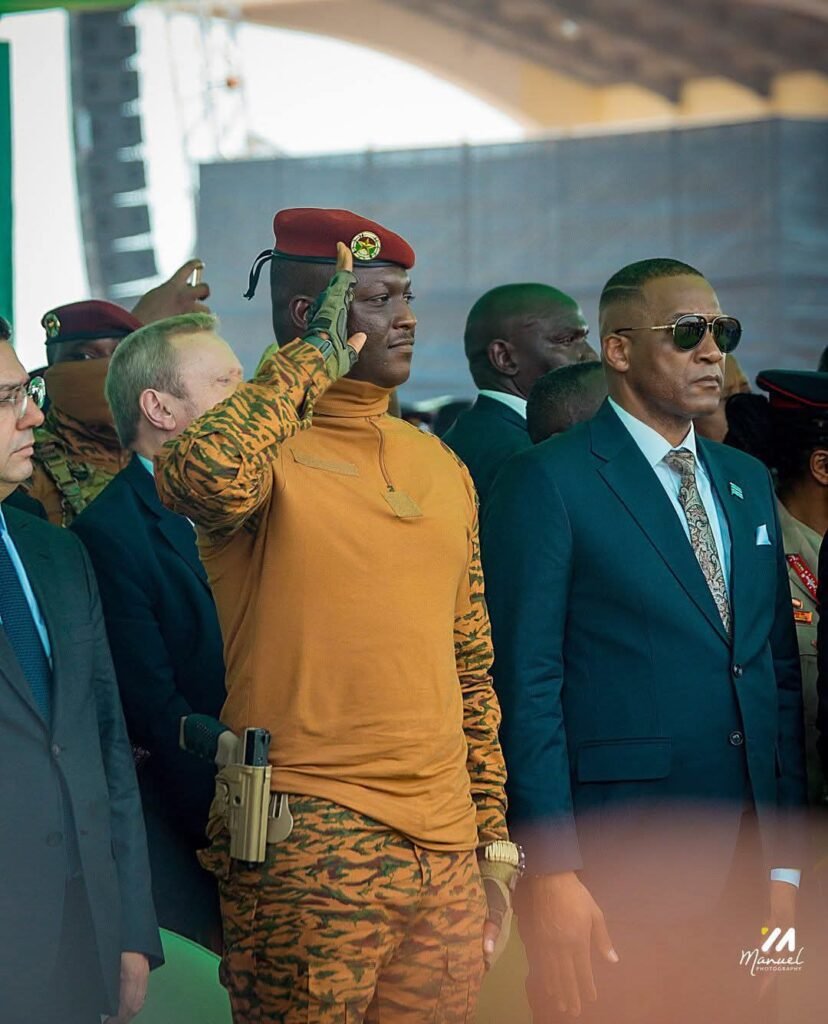
This vacuum of delivery is what has created space for strongmen with strong visions. Traoré’s appeal is not rooted in tyranny, but in the urgency of results. He is admired not because he is undemocratic, but because the democratic status quo has consistently failed to deliver. Rwanda’s Paul Kagame is often mentioned in the same breath. Though his governance style has drawn criticism for authoritarian tendencies, many respect the progress Rwanda has made under his watch. That is, clean streets, a rising tech sector and national discipline stand in contrast to the chaos in many democratic states. Whether one agrees with their tactics or not, the results speak for themselves and that is what many Africans are craving: outcomes, not just institutions.
Still, we must tread carefully. While these leaders may deliver short-term wins, history has taught us the perils of centralized, unchecked power. Dictatorship, even when wrapped in patriotism, often spirals into repression. Power without accountability breeds arrogance, and development without participation breeds alienation. The very leaders who begin as liberators can become the architects of oppression. From Uganda to Zimbabwe, the continent has witnessed the tragic transformation of promising strongmen into entrenched autocrats. When power is concentrated in a single individual, the entire nation becomes vulnerable to his personal failures or fall.
Furthermore, development built on silencing critics or bypassing institutions is inherently unstable. It undermines the very civic engagement, innovation, and critical debate that drive long-term progress. We must therefore resist the temptation to glorify autocracy simply because we think democracy has failed us.
The popularity of Captain Traoré is a signal, not a solution. It tells us that Africans are no longer moved by speeches but are hungry for transformation. They want leaders who act decisively, protect sovereignty, and uplift the people. But that hunger must be channeled wisely. We cannot afford to trade one form of dysfunction for another. We do not need to choose between chaos in the name of democracy and order in the name of dictatorship. We must reject both false choices.
What the African continent needs is leadership grounded in integrity, vision, and radical commitment to the people. We need leaders who are not driven by personal gain but by national transformation. Those with strong will, unshaken by external pressure, yet deeply rooted in the values of justice, participation, and accountability. These are not contradictions. With courage and imagination, such leadership can thrive within the framework of social democracy. We do not have to sacrifice our freedom for development if we are bold enough to reimagine both.